Have We Really Changed How We Treat Nosebleeds?
Every day, emergency departments and ENT practices treat thousands of patients with significant nosebleeds. Yet when bleeding doesn’t stop on its own, many of the treatment options still rely on concepts developed decades ago.
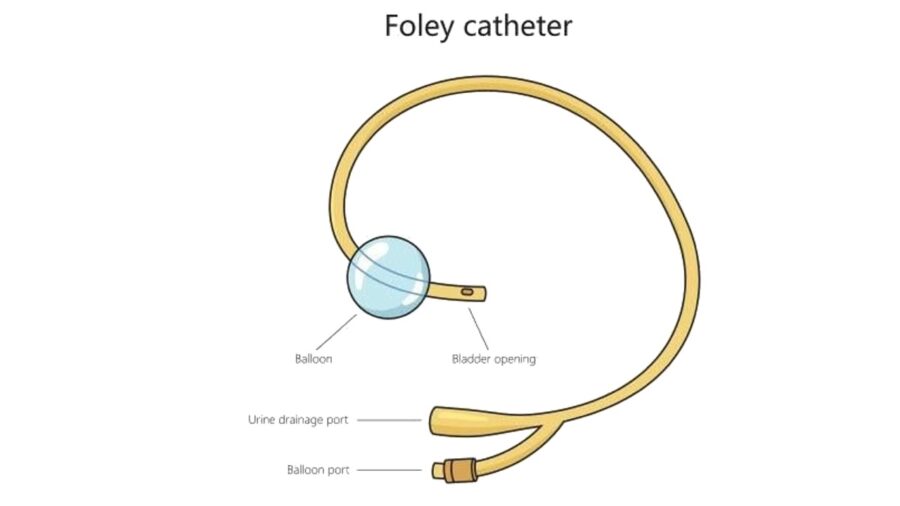
Ribbon gauze. Nasal packing. Balloon catheters adapted from other medical uses.
These methods often work—but they can also be uncomfortable for patients, require follow-up visits for removal, and create anxiety for both patients and providers.
It raises an important question:
Why has innovation in nosebleed management lagged behind so many other areas of medicine?
As an otolaryngologist, I’ve spent years studying the anatomy and physiology of the nose and treating patients with nasal disorders.
The more I studied epistaxis, the more I realized that sometimes the biggest breakthroughs begin by questioning long-standing assumptions.
Over the coming months, I’ll be sharing insights on:
• The history of nosebleed treatment
• Why the nose bleeds where it does
• The anatomy behind effective hemostasis
• Current treatment options—their strengths and limitations
• The process of developing new ideas in medicine
If you treat epistaxis in the emergency department, ENT clinic, urgent care, or primary care setting, I’d love to hear your perspective.
What do you think is the biggest unmet need in nosebleed management today?